
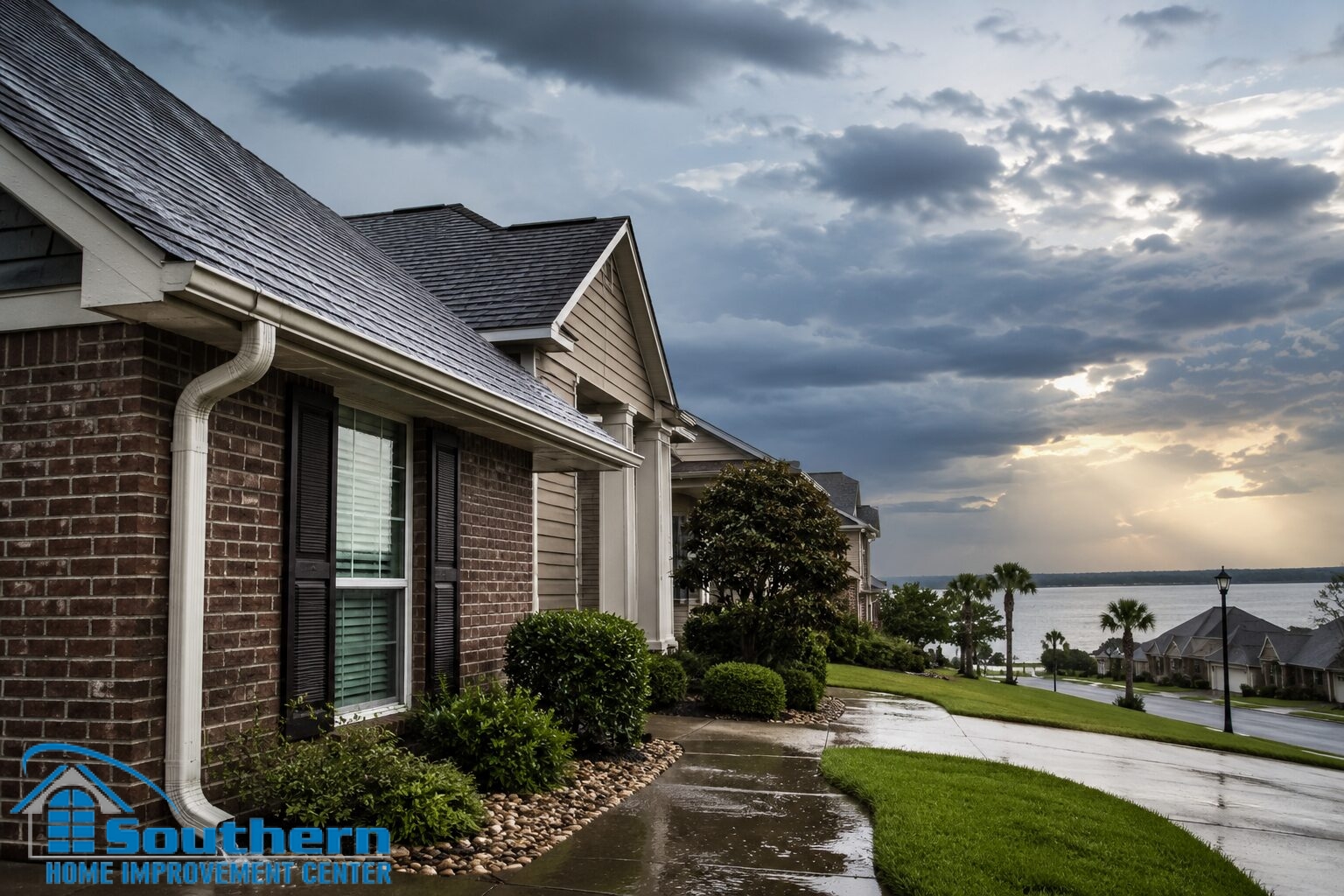
Non-Tropical Gulf System Brings Heavy Rain Risk to Louisiana and Mississippi
Gulf Coast Weather Update | June 2026
A non-tropical Gulf system brought heavy rain, rough surf, rip currents and coastal flooding concerns to parts of Louisiana and southern Mississippi as hurricane season began.
The system did not need to become a named storm to matter for homeowners. Soaking rain, wind-driven moisture and poor drainage can still reveal problems around roofs, gutters, siding, windows, doors, patio covers and other exterior areas.
Gulf Rain Event at a Glance
This weather event was a reminder that Gulf moisture can create real home-maintenance concerns even without tropical development. The practical issue for homeowners is how the exterior of the home handles repeated rain and water movement.
Why a Non-Tropical Gulf System Still Matters
During hurricane season, homeowners often pay the most attention to named storms. This Gulf system showed why that is not enough. A disturbance can remain non-tropical and still bring heavy downpours, rough surf, rip currents and coastal flooding concerns to Gulf Coast communities.
For homes in Southeast Louisiana and along parts of the Mississippi Gulf Coast, repeated rain can expose issues that are easy to miss during dry weather. Clogged gutters, weak roof edges, open siding seams, damaged trim and poor drainage may become more visible after soaking weather.
The important takeaway is practical: homeowners do not have to wait for a tropical storm watch or hurricane warning to review visible exterior conditions around the home.
Heavy Rain Can Reveal Existing Exterior Problems
A soaking Gulf weather pattern can act like a real-world test for the home’s exterior. Roof planes, valleys, gutters, downspouts, soffit, fascia, siding seams, window trim, door thresholds and patio cover drainage all become more important when rain falls repeatedly.
If stains, active leaks, overflowing gutters, soft trim, loose materials or standing water appear after heavy rain, homeowners should document the issue and consider a professional review before the next round of severe weather arrives.
Roof and Gutter Areas Worth Reviewing First
Roofs and gutters work together during heavy rainfall. The roof sheds water, while gutters and downspouts move that water away from vulnerable areas. When one part is damaged, blocked or poorly draining, water can collect where it should not.
After a Gulf rain event, homeowners can start with visible roof edges, valleys, eaves, flashing areas, ridge areas, gutters and downspouts. These are common places where rain movement, debris buildup or drainage problems may become noticeable.
No homeowner should climb on a roof or perform unsafe checks. A ground-level review and clear photos are enough to identify concerns that may need professional attention.
What Homeowners Should Check After Soaking Weather
Homeowners can review several exterior areas from safe, accessible locations. The goal is not to diagnose every issue. The goal is to notice visible changes, document them and decide whether a contractor should take a closer look.
- Roof edges and visible roof areas Look for missing shingles, lifted edges, loose ridge material, damaged flashing, staining or areas where water appears to collect.
- Gutters and downspouts Watch for overflowing gutters, disconnected downspouts, sagging sections, blocked outlets or water spilling near fascia and soffit.
- Soffit and fascia Check for staining, peeling paint, open seams, soft-looking sections or signs that water may have backed up near the roof edge.
- Windows and doors Review trim, thresholds, seals and nearby interior walls for moisture signs after wind-driven rain.
- Siding and exterior trim Look for loose panels, gaps, cracked caulk, open seams or areas where water appears to be entering behind the exterior finish.
- Patio covers and attached structures Check posts, gutters, roof panels, attachment points and drainage areas for movement, overflow or visible water problems.
Photos taken after the rain can help create a clear record of what changed and where the concern appeared.
Drainage Around the Home Should Not Be Ignored
Heavy rain can also reveal problems around the property rather than only on the roof. Standing water near exterior walls, water moving toward doors, water collecting under patio covers or drainage spilling beside walkways can all create maintenance concerns.
Gulf Coast rain can fall quickly. When rain falls faster than gutters, soil and surface drainage can handle, low areas around the home may fill fast. Homeowners should note where water collects and whether it moves away after the rain stops.
Exterior drainage concerns are not the same as flood insurance questions. They are practical property issues that may affect maintenance needs, exterior materials and future improvement planning.
Roof Leaks, Wind-Driven Rain and Flooding Are Different Issues
Storm systems can involve wind and water at the same time, but not every water-related problem has the same cause. A roof leak, wind-driven rain around an exterior opening, overflowing gutters and rising water around the property can involve different explanations.
That distinction matters for homeowners when documenting damage or asking questions after a storm. The visible sign may be water, but the source may be roof wear, exterior deterioration, blocked drainage, wind-driven rain or another condition.
Insurance questions should be confirmed with the homeowner’s carrier or licensed insurance professional. Southern Home Improvement Center (SHIC) can review roofing and exterior improvement needs, but it does not determine coverage, premiums, deductibles or claim outcomes.
When a Professional Exterior Review May Help
Some warning signs are worth taking seriously after repeated rain. A professional review may be appropriate when a homeowner sees new stains, active leaks, loose materials, water spilling behind gutters or visible damage near the roof edge.
New Interior Stains
Water marks on ceilings, upper walls or around windows may indicate that moisture entered through a roof or exterior opening.
Overflowing Gutters
Water spilling over the gutter edge can point to clogs, slope problems, loose sections or drainage that is not moving water properly.
Loose Exterior Materials
Lifted shingles, open siding seams, damaged fascia or loose trim may become more vulnerable during the next storm system.
Repeated Drainage Problems
Standing water near doors, patio areas or exterior walls may call for a closer look at gutters, downspouts and surface drainage.
Document Conditions Before the Next Weather Event
Documentation is useful because weather events can create confusion. A photo record helps homeowners compare what the home looked like before and after heavy rain.
Useful documentation may include photos of the roofline from the ground, gutters, downspouts, siding, windows, doors, patio covers, drainage areas and any visible water stains inside the home. Homeowners may also keep estimates, repair records, product information and previous inspection notes in one folder.
Documentation does not guarantee insurance coverage, claim approval or payment. It helps create a clearer record of property condition and completed work.
How Southern Home Improvement Center (SHIC) Helps After Heavy Rain
Southern Home Improvement Center (SHIC) helps homeowners in Southeast Louisiana and parts of the Mississippi Gulf Coast with roofing, gutters, siding, windows, doors, patio covers and other exterior improvement projects.
After heavy rain, homeowners may request a review when visible concerns appear around the roofline, drainage components or exterior openings. SHIC can evaluate the project area, discuss repair or replacement options and provide a clear estimate for proposed work.
SHIC does not determine insurance coverage, premiums, deductibles, flood coverage or claim outcomes. Insurance questions should be confirmed with the homeowner’s insurance carrier or licensed insurance professional.
Additional Information
This article is provided for general informational purposes and is not weather, insurance, legal, financial or claim advice. Weather conditions can change quickly. Homeowners should follow official weather alerts and confirm insurance questions with their carrier or licensed insurance professional. Southern Home Improvement Center (SHIC) provides roofing and exterior home improvement services and does not make insurance coverage or pricing decisions.
Seeing Roof, Gutter or Exterior Issues After Heavy Rain?
Southern Home Improvement Center (SHIC) helps homeowners across Southeast Louisiana and parts of the Mississippi Gulf Coast plan roofing, gutters, siding, windows, doors, patio covers and other exterior improvements. Request a free estimate through the form at the bottom of the page or call the office serving your area.