
Burst Pipe or Roof Leak? What Louisiana Homeowners Should Document Before Filing a Claim
When water shows up inside your home after a freeze, the first question is not just how to dry it out. It is whether you may be dealing with a burst pipe, a roof leak, or another type of water loss that should be documented carefully before the claim process begins.
Water damage during a Louisiana cold snap can get confusing fast. A stained ceiling, wet insulation, warped flooring, or water running down an interior wall may look similar at first, but the source of the water can affect how the loss is documented and how the claim is described. That is why the best first move is usually not guessing. It is protecting the home from further damage, documenting the condition thoroughly, and keeping a clean record of what happened and when.
Southern Home Improvement Center (SHIC) can help when the issue may involve roof-related leak entry, visible roof damage, storm-created openings, or insurer-ready roof documentation. If the loss is purely plumbing-related, a licensed plumber may need to be your first emergency call, but careful roof-side documentation can still matter if the source is later questioned.
Why the Source of the Water Matters
A burst pipe, a roof leak, and flood-related water are not always handled the same way. That is why your first report should stay factual and specific.
Interior water from plumbing failure
This type of loss often starts suddenly and may involve a split supply line, frozen pipe, water heater connection, or hidden pipe behind a wall or ceiling.
Document visible pipe failure, shutoff actions, affected rooms, and the timeline from discovery to emergency mitigation.
Water entering from above
This may involve damaged shingles, flashing issues, storm-created openings, or other roof-entry problems that allow water into the attic, ceiling, or walls.
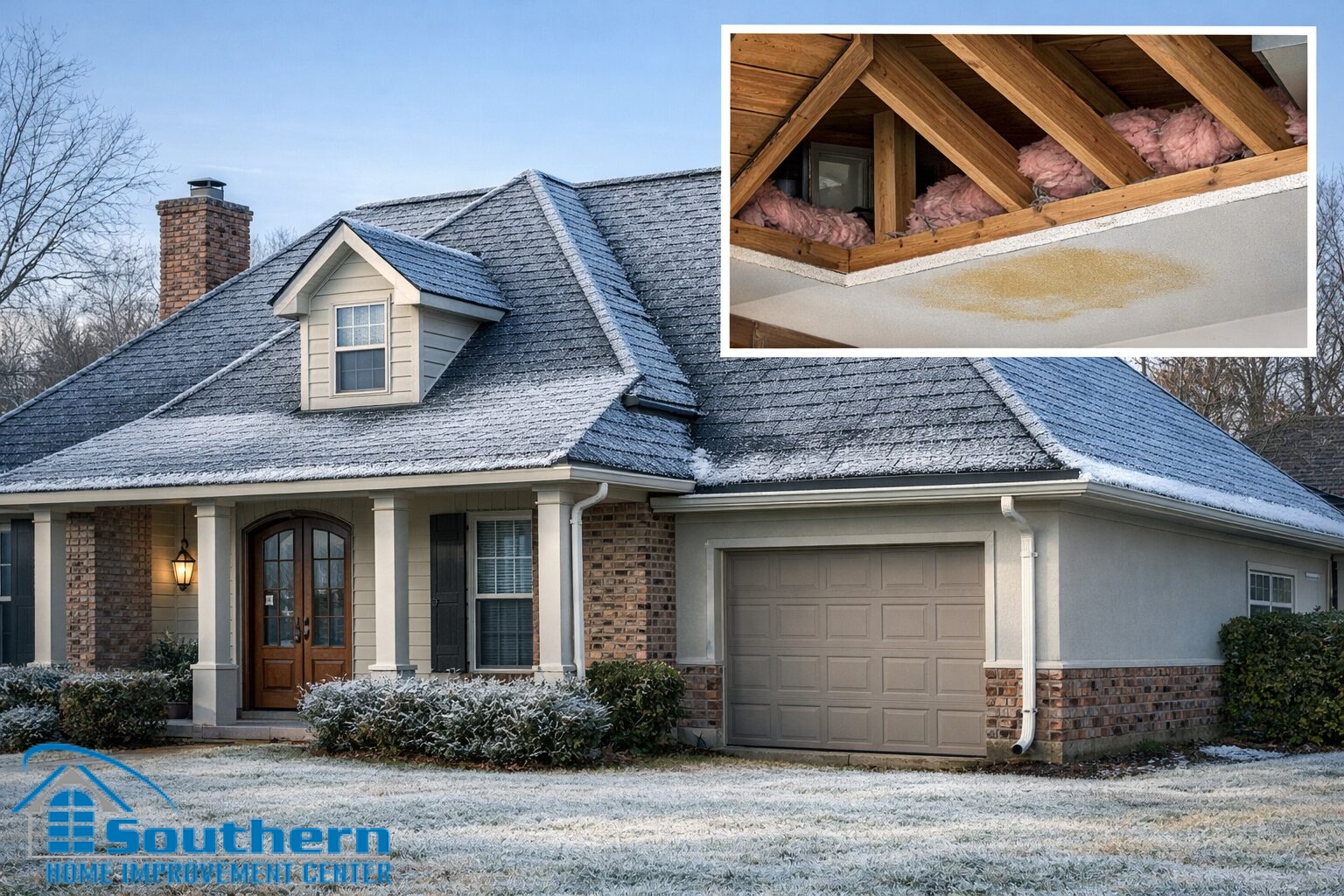
Document stain patterns, attic moisture if safely visible, drip paths, wet insulation, and any exterior roof conditions visible from the ground.
Water entering from ground level or surge conditions
Flood-related losses often follow a different claim path than a roof leak or burst pipe. That is why the source of the water matters from the start.
Do not label every wet interior the same way. Describe only what you actually observed.
Practical rule: Do not over-explain in the first phone call. State what you found, where the water appeared, what emergency steps you took, and what has been documented so far.
The First 60 Minutes After You Discover Water
The first hour should be handled in a clear order. Safety comes first, then shutoff, then documentation, then reasonable temporary mitigation. That sequence usually creates a cleaner file for the insurer and helps reduce additional damage.
Protect people first
If water is near electrical outlets, appliances, or an electrical panel, do not step into standing water or start moving equipment until the area is safe.
Shut off the water if a pipe may have failed
If you can safely reach the main water shutoff, stop the flow first. Knowing where the shutoff is before a freeze event is one of the most useful homeowner preparedness steps.
Photograph before cleanup changes the scene
Take wide shots first, then medium shots, then close-ups. If water is still moving, short video clips can be useful.
Take reasonable temporary steps
Move contents out of active water, place containers under drips, wet vacuum or mop standing water, and start drying reachable areas if it is safe to do so.
Start a simple timeline
Write down when you discovered the damage, when the shutoff happened, when calls were made, and when emergency help arrived.
What to Photograph and What to Save
Strong claim documentation usually comes from simple, organized records rather than dramatic photos alone. Room-by-room images, visible source conditions, emergency actions, and saved receipts make the file easier to understand later.
What to Photograph
- Wide shots of each affected room before cleanup changes the condition.
- Ceilings, walls, floors, baseboards, cabinets, insulation, and visible water paths.
- Visible pipe failures, broken fittings, failed supply lines, or wet utility areas.
- Interior ceiling stains, attic moisture if safely accessible, and drip points that may suggest roof-entry water.
- Furniture, electronics, rugs, boxes, and other damaged contents.
- Emergency actions such as buckets, shutoff position, opened access panels, fans, or dehumidifiers.
What to Save for the Insurer
- Photos and short videos taken before major cleanup or disposal.
- A written timeline with times, temperatures if relevant, and contractor arrival notes.
- Receipts for temporary mitigation, emergency plumbing, drying equipment, and protective materials.
- Damaged pipe sections, broken connectors, failed fittings, or small removed materials when practical.
- Invoices, inspection notes, and contractor findings that help explain the source of the water.
- Damaged items that should not be discarded until properly documented and, where possible, reviewed.
Temporary Actions That Are Usually Reasonable — and What Not to Do
Homeowners are generally expected to take reasonable steps to prevent further damage, but that usually means stabilization, not full reconstruction. The goal is to stop the loss from getting worse without erasing the condition that needs to be documented.
Usually Reasonable Temporary Actions
- Shut off the main water supply if a plumbing failure is suspected.
- Move contents away from active water if it can be done safely.
- Use towels, buckets, mops, wet vacs, fans, and dehumidifiers to reduce spread.
- Arrange emergency plumbing or emergency roof stabilization if the loss is ongoing.
- Save receipts and take photos before and after the temporary work.
What Not to Do Before the Adjuster Reviews the Loss
- Do not rush into permanent repairs unless safety leaves no other choice.
- Do not discard damaged materials too early.
- Do not describe flood water, a roof leak, and a burst pipe as the same thing if you are not sure.
- Do not tear out large areas of finishes before the condition is fully photographed.
- Do not rely only on close-up photos without room-wide context.
When Water Damage May Be Different from Flood Damage
This is one of the biggest homeowner confusion points after a freeze or storm-related water loss. Water coming from a burst pipe or a roof-entry problem is not automatically treated the same way as rising water, storm surge, or flood conditions. The source of the water can change the claim path, the documentation process, and the way the loss should be described from the beginning.
That does not mean every burst-pipe or roof-leak claim is automatically covered, and it does not mean every wet interior is a flood loss. It means the cause of loss matters. The cleanest approach is to describe the condition factually, document the source as well as you can, and avoid guessing about coverage before the insurer reviews the file.
Not Sure Whether It Is a Burst Pipe or a Roof Leak?
If the source is unclear, document both possibilities without forcing a conclusion. Photograph ceilings, attic access areas if safely reachable, visible plumbing, under-sink cabinets, water heater connections, supply lines near exterior walls, and any exterior roof area visible from the ground.
If a licensed plumber identifies a failed line, save that invoice and any removed part. If the damage may be roof-related, a photo-documented roof inspection can help separate roof-entry water from plumbing failure, interior humidity, or older staining.
Where SHIC Fits In
Southern Home Improvement Center (SHIC) is the right call when the water loss may involve roof-related leak entry, storm-created openings, visible exterior damage, or insurer-ready roof documentation that needs to be gathered quickly and clearly.
For purely plumbing-origin losses, a licensed plumber may need to stop the active issue first. But when the source is disputed, roof-side documentation can still be important before the claim moves forward.
Frequently Asked Questions
A few homeowner questions come up repeatedly after a Louisiana freeze or cold-weather water event. These short answers keep the focus on documentation, temporary protection, and clear communication.
Is water damage from a burst pipe always covered by homeowners insurance?
Not always. Coverage depends on the policy language, the cause of loss, and whether reasonable protective steps were taken. The safest approach is to document the condition carefully and report the facts clearly.
Is a roof leak handled the same way as flood damage?
Usually not. Roof-entry water, plumbing escape, and flood-related water can follow different claim paths. That is why the source of the water matters from the beginning.
Should I start tearing out wet drywall before the adjuster arrives?
Emergency stabilization may be reasonable, but broad permanent repair or unnecessary tear-out before the loss is fully documented can create problems. Photograph first and keep records of any emergency work.
Should I throw away soaked items after I photograph them?
Do not rush to discard damaged items. Keep them documented and retain them when practical until the insurer or adjuster has had a fair chance to review the loss.
What should I save for the insurer?
Save photos, videos, a basic timeline, receipts, contractor notes, plumbing invoices, and any failed parts or removed materials that help explain what happened.
What if I do not know whether the leak started in the roof or a pipe?
Do not guess. Document both possibilities, preserve the scene as much as possible, and get the right emergency professional involved. A plumber may confirm a failed line, while a roof inspection may help show whether the roof contributed to the interior damage.
Need Roof-Side Documentation Before You File?
If you are dealing with interior water damage and the roof may be part of the story, Southern Home Improvement Center (SHIC) can help document visible roof conditions, storm-related damage, and roof-side details that may matter before your insurance claim moves forward.
For roof-related leak concerns, visible storm damage, or insurer-ready photo documentation, call the office nearest you and then use the form at the bottom of the page to send photos and a short description of what you found.