
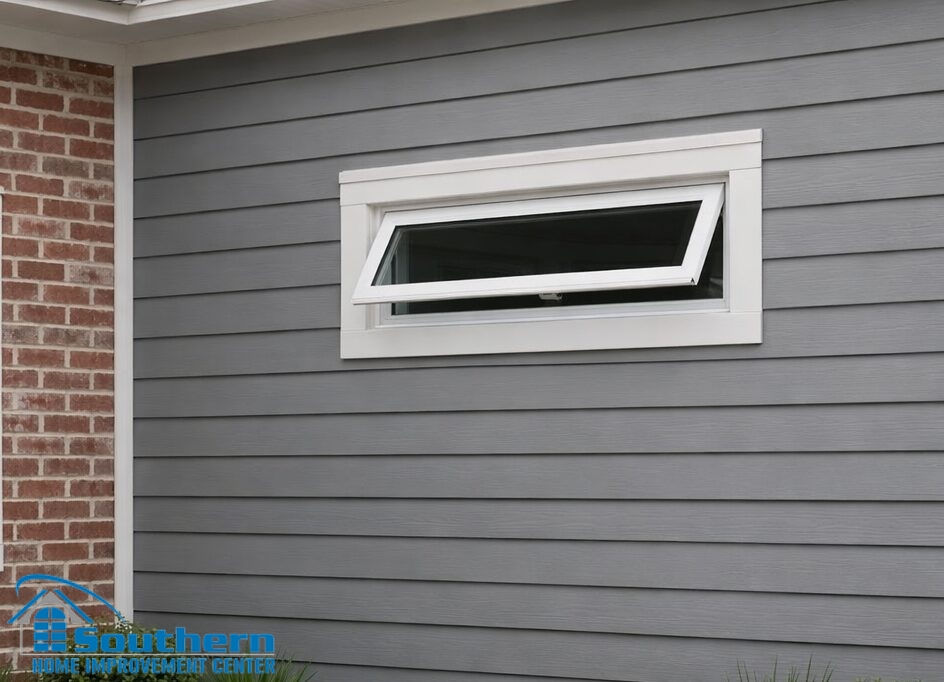
Casement & Awning Window Replacement — Louisiana & Mississippi Gulf Coast
Casement and awning window replacement is a smart upgrade for Gulf Coast homeowners who want a tighter seal, better comfort, and fewer moisture problems in a hot, humid climate. In Louisiana and the Mississippi Gulf Coast, wind-driven rain and high humidity expose weak installs quickly, so the best casement windows or awning windows only perform as intended when the installation scope is built around water control, airtight sealing, and proper exterior integration.
This guide explains when casement window replacement is the right choice, when awning window replacement makes more sense, what to verify before signing a quote, and which related services can solve problems without risky DIY.
If you want the broader window overview first, start with vinyl replacement windows, then review window services for Louisiana & Mississippi to compare professional installation, leak diagnostics, and glass-only repair options.
Why casement and awning windows work well on the Gulf Coast
Casement windows and awning windows close against compression gaskets, which can create a tighter seal than many sliding or double-hung windows. That sealing advantage matters on the Gulf Coast where heat gain, humidity, and storm-driven rain can lead to drafts, discomfort, and hidden moisture intrusion around frames and sills. When homeowners ask what type of replacement windows are best for coastal conditions, casement window installation is often the “seal-first” answer for exposed elevations, while awning windows are frequently the ventilation-forward choice for humid rooms.
In practical terms, you are choosing between two strong operating styles. Casement windows (often called crank-out windows) swing outward and lock tight, making them a great fit for elevations that take wind pressure. Awning windows hinge at the top and open outward, which can help with ventilation during light rain and work especially well in bathrooms, laundry rooms, and kitchens. For a quick comparison of multiple window types across Louisiana and Mississippi, see this Gulf Coast window types guide.
Casement window replacement vs awning window replacement — the simplest way to choose
Most window projects become clearer when you match the window style to the real problem you are solving, then select the right glass package and professional installation scope. Use these comparisons to narrow down the right option before you compare bids.
- Choose casement window replacement when your priority is a tighter seal, better wind performance, and improved comfort on exposed walls.
- Choose awning window replacement when you want controlled ventilation in humid rooms and a style that can vent during light rain.
- Choose sliding windows when swing space is limited or you want wide horizontal openings; compare options here: sliding window replacement for the Gulf Coast (LA & MS).
- Choose double-hung windows when you want traditional curb appeal and a familiar operating style, especially on front elevations.
If noise is part of your decision, sealing geometry matters because it affects real-world air leakage and sound transfer. Use this noise-reducing windows guide and select the operating style that matches your exposure and comfort goals.
What to verify before you sign a casement or awning window quote
Homeowners often compare quotes by window brand or “per window” pricing, but Gulf Coast performance is usually won or lost in the installation scope. A strong casement window installation or awning window installation quote should document what will be installed, how the opening will be managed for water, and how exterior integration will be handled so moisture does not route into framing, insulation, or interior finishes.
Use this checklist to compare quotes apples-to-apples before you commit:
- Measured openings and correct operating style listed by location, not a generic window count.
- Glass package aligned to your goals such as comfort, solar control, noise control, and storm exposure.
- Water management at the sill and perimeter described clearly so incidental water has a controlled path out.
- Exterior integration and finish approach stated in the scope instead of implied.
- Documentation such as photos and a clear checklist so you can verify what was done later.
If you want a deeper reference library for Gulf Coast window selection and what to verify, see windows guides for Louisiana & Mississippi, then keep your comparisons tied to scope first and products second.
Professional window installation — what prevents leaks in Louisiana and Mississippi
We do not recommend DIY window replacement on the Gulf Coast because the downside risk is high. One missed water-control detail can cause hidden moisture damage that spreads behind trim and inside wall cavities. A professional casement or awning window replacement should treat each opening as a water-managed assembly, not a simple “swap.”
At a high level, a Gulf Coast installation scope should address these essentials:
- Sill-level water control so incidental water can exit instead of soaking the opening.
- Correct head and side integration to shed wind-driven rain and keep drainage paths continuous.
- Stable anchoring and support so the unit stays square, locks properly, and seals evenly over time.
- Air sealing for comfort that improves performance without creating moisture traps.
- Photo documentation that makes the scope verifiable and easier to maintain.
For installation expectations and a clearer “what should be included” checklist, see professional window installation in Southeast Louisiana. If you suspect moisture issues today, start with diagnosis first at window leaks and condensation so the opening problem is corrected before you select a replacement window package.
Impact-rated casement and awning windows on the Gulf Coast
Impact-rated windows can be available in multiple operating styles, including casement and awning configurations. The right option depends on exposure, opening size, and how you want to manage storm risk overall. If hurricane protection is part of your plan, start with impact-resistant windows, and if you want a quick homeowner reference for what you already have, see how to tell if your windows are impact-resistant.
Even when impact-rated glass is chosen, the installation scope still drives performance on the Gulf Coast because water routing and perimeter sealing typically determine whether an opening stays dry through storm cycles.
When full window replacement is not the best first move
Some symptoms look like “bad windows” but can be solved more efficiently with targeted services. If your primary issue is fogging between panes and the frame is still sound, insulated glass replacement may be the smarter first step; see fogged window glass replacement (LA & MS). If your issue is water entry, staining, or recurring condensation around the frame, you should diagnose and correct the opening conditions first using window leaks and condensation before selecting a casement or awning window replacement package.
For homeowners considering architectural upgrades on focal elevations, bay and bow configurations may also be part of the design conversation; see bay and bow windows for the Gulf Coast.
Casement and awning window replacement cost, timelines, and planning
Casement window replacement cost and awning window replacement cost depend on opening sizes, glass packages, exposure, and whether impact-rated assemblies are selected. Timelines depend on how many openings are involved and whether existing frames, trim, or surrounding materials show moisture damage that must be corrected for a reliable result. For coverage and how pricing is typically built around scope, use window service areas and pricing for LA & MS, then schedule a measured assessment so your quote reflects real opening conditions instead of generic assumptions.
FAQs
These are the questions Louisiana and Mississippi homeowners ask most often when deciding between casement windows and awning windows on the Gulf Coast.
Are casement windows better in high winds?
They often can be, because the closing action compresses seals and can reduce air leakage when installed correctly. The deciding factor is the specification and the installation scope, not the operating style alone.
Do awning windows leak in heavy rain?
Any window can leak if the opening is not managed correctly. Awning windows can vent well in light rain, but during wind-driven rain the perimeter details and exterior integration are what prevent water intrusion.
Should I choose casement or sliding windows?
Choose casement window replacement when sealing and controlled ventilation are top priorities, and choose sliding windows when swing space is limited or you want wide horizontal openings. If you want a dedicated slider reference, see sliding window replacement for the Gulf Coast.
Can I get impact-rated casement or awning windows?
Often yes, depending on the product line and your opening sizes. The correct option depends on exposure, documentation requirements, and your overall storm strategy; start with impact-resistant windows.
Do I need full-frame replacement to change to casement or awning?
Not always, but some conversions are more reliable with a full-frame approach, especially if there is hidden rot, prior leak history, or mismatched rough openings. An on-site assessment should drive that decision.
What should be included in a good installation quote?
A clear scope that addresses water control at the opening, a defined exterior finish plan, the correct glass package, and documentation. If you are comparing bids, insist on apples-to-apples scope rather than vague “install included” wording.
Ready to compare casement and awning window options with a written plan instead of guessing? Request a professional assessment from Southern Home Improvement Center (SHIC) for Southeast Louisiana and the Mississippi Gulf Coast — call (985) 643-6611 or (225) 766-4244, or use Free Estimate to get started.


